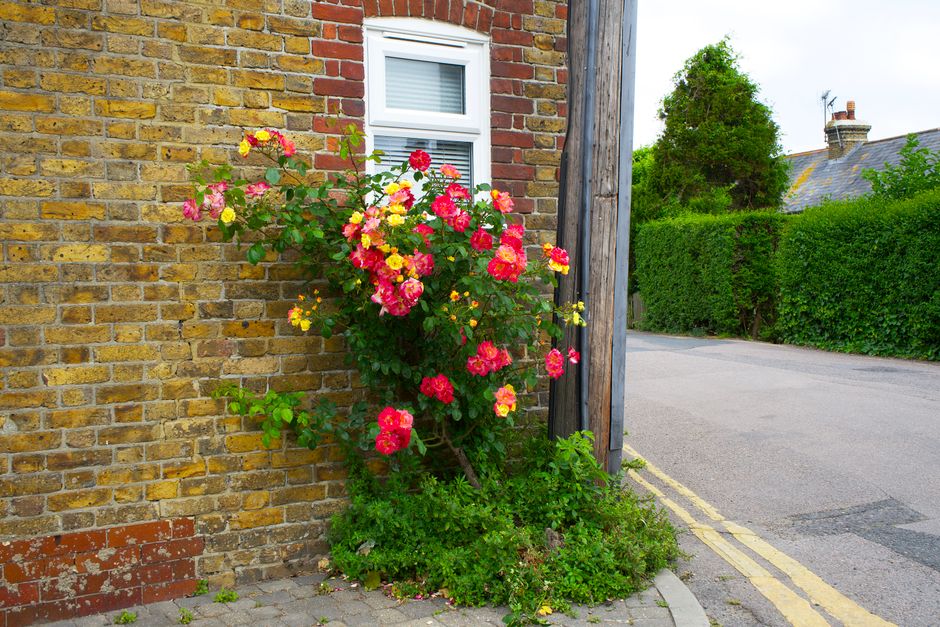
Feltham High Street gardeners guide for small front gardens

If your front garden on or near Feltham High Street feels too small to do anything with, you are not alone. A narrow patch, a bit of tired turf, a cracked path, and one shrub that's hanging on by sheer determination - that's the reality for plenty of homes. The good news? Small front gardens can look calm, tidy, and genuinely welcoming without needing a full redesign. This Feltham High Street gardeners guide for small front gardens focuses on what actually works in tight spaces: layout, planting, easy maintenance, and the little decisions that make a front garden feel bigger than it is.
You'll also find practical pointers on when to handle things yourself and when a professional touch makes sense, especially if you want a front garden that stays neat rather than looking good for two weeks and then... well, less good. Let's get into it.
Why Feltham High Street gardeners guide for small front gardens Matters
Small front gardens do a lot of work. They are the first thing you see when you come home, the first thing visitors notice, and often the bit that quietly affects the whole feel of the property. In an area like Feltham, where front spaces can be compact and the street view matters, a well-kept front garden can make a home look cared for even before anyone opens the door.
The point is not to cram in as much planting as possible. That usually makes a small space feel busier, not better. The real goal is to create a front garden that looks intentional. A little structure, a simple planting palette, and a reliable maintenance routine usually beat a complicated design every time. Truth be told, small spaces can be easier to manage once the layout is right.
There is also a practical side. Front gardens often need to cope with foot traffic, bins, parked cars, low light, and the occasional wind tunnel effect from nearby roads. A good plan takes those realities seriously instead of pretending the garden is a glossy magazine photo taken at 10 a.m. on a dry spring day.
If the space needs a bigger reset before planting can even begin, a service such as garden clearance can help create a clean starting point. That matters more than people think. A tidy base makes every later decision easier.
How Feltham High Street gardeners guide for small front gardens Works
The best small-front-garden approach usually follows a simple sequence: assess the space, remove what is not helping, decide the purpose of the garden, then choose a layout that is easy to maintain. It sounds basic, but that is exactly why it works.
Start by looking at the front garden in layers:
- Hard surfaces: paths, edging, steps, drive boundaries, and any paving that shapes movement.
- Vertical structure: hedges, small trees, wall training, fences, railings, or climbers.
- Planting: low shrubs, seasonal colour, evergreen texture, or a small lawn if it genuinely earns its place.
- Maintenance pressure: how often each element will need trimming, watering, sweeping, or replanting.
Once you see the garden in those layers, the layout becomes much clearer. For example, a narrow strip beside a path may be better suited to low, neat planting than to a row of fussy perennials that flop over by July. A small hedge can provide a far cleaner line than a mix of pots that need constant adjustment. And if a lawn is constantly patchy because of shade or footfall, it may be time to rethink whether it belongs there at all.
Many homeowners choose to combine light design work with regular upkeep through garden maintenance. That combination is often the sweet spot: enough improvement to make the space look fresh, but not so much that it becomes high effort.
There is no single right answer, which is annoying and helpful at the same time. A tiny front garden can be formal, soft, modern, cottage-style, or almost minimalist. The key is choosing one direction and not mixing five styles together. That's where small gardens go sideways.
Key Benefits and Practical Advantages
A well-planned small front garden gives you more than a prettier entrance. The benefits are practical, visual, and surprisingly emotional. You feel it when you come home. So does everyone else.
- Better kerb appeal: A neat front garden lifts the whole appearance of the property.
- Lower maintenance: Smart planting and simpler surfaces reduce weekly chores.
- Better use of space: The garden feels organised rather than cramped.
- Improved year-round structure: Evergreen elements keep the space looking alive in winter.
- Safer access: Clear paths and sensible edging reduce trip hazards and muddle.
- More personal character: Even a small space can reflect the home's style.
There is also a practical benefit people often overlook: a front garden that is easy to maintain is far more likely to stay tidy. This sounds obvious, but it matters. If pruning takes two hours and a deep breath each time, it will get put off. If the layout supports quick attention, you will actually keep on top of it.
For homes where hedges, boundary plants, or overgrown screening are part of the problem, hedge trimming can make an immediate visual difference. A clean line at the front of a property can be transformative. Not dramatic in a flashy way. Just neat, calm, finished.
Who This Is For and When It Makes Sense
This guide is for anyone with a compact front garden who wants it to look better without creating extra work. That includes homeowners, landlords, people preparing a property for sale, and busy families who just want the front of the house to stop looking like a half-finished project.
It especially makes sense if:
- your front garden is narrow, shaded, or awkwardly shaped;
- the current layout feels cluttered or unused;
- you want better curb appeal without a full landscape rebuild;
- the garden is becoming too difficult to keep neat;
- you need a practical solution that suits everyday life, not just design pictures.
If the space needs more than a tidy-up - maybe new levels, better boundaries, or a fresh layout - then broader landscaping or even landscape gardening might be the more sensible route. That is especially true if the front garden currently works against the house rather than with it.
To be fair, not every small front garden needs a grand design. Some just need an honest tidy, a clearer border, and fewer plant choices. And yes, that can be enough.
Step-by-Step Guidance
Here is a practical way to approach a small front garden without overcomplicating it.
- Clear the space first. Remove dead plants, broken pots, weeds in paving cracks, and anything that makes the area feel crowded. If the garden has become heavily overgrown, start with a proper clean-out before you think about new planting.
- Decide the main purpose. Is the garden mainly decorative, mostly functional, or a mix of both? A front garden that needs to frame a path will be designed differently from one that needs to stay almost maintenance-free.
- Keep the shape simple. In a small front garden, strong edges help. Straight lines, clear curves, and defined beds usually look better than lots of tiny cut-ins.
- Choose a limited planting palette. Two or three plant types repeated well usually look more polished than a random mix of everything in the garden centre. Repetition helps small spaces feel calmer.
- Think vertically. If the floor space is tiny, use height wisely. Small shrubs, wall climbers, trellis, or a slim hedge can add presence without taking over.
- Make access obvious. The route from gate to door should feel easy and safe. If paving is uneven or hidden by overgrowth, sort that first.
- Plan maintenance from day one. Ask yourself how the garden will look in six weeks, not just on the day it is finished.
A good rule of thumb: if a feature adds visual noise but no real function, it probably does not belong in a small front garden. Harsh? Maybe. True? Usually, yes.
For lawns that still make sense in smaller spaces, keep them simple and manageable. A tidy edge and regular cutting matter more than trying to create a large lawn effect where the proportions do not quite fit. If mowing is the main job, a service such as lawn mowing can keep the finish sharp while you focus on the rest of the space.
Expert Tips for Better Results
In practice, the best small front gardens usually share the same habits: restraint, repetition, and tidy upkeep. Those three things do a lot of heavy lifting.
Use a restrained colour palette. A handful of greens with one or two accent colours often feels more premium than a rainbow of competing blooms. If you want seasonal colour, place it where it is visible from the street and keep the rest calm.
Choose evergreen structure first. Small gardens need something to hold the scene together in winter. That might be a clipped shrub, a low hedge, or a carefully placed container. Without structure, a front garden can look empty for months at a time.
Leave breathing room. Plants need space to grow without swallowing the path or leaning into each other. A small garden can still feel generous if it is not overcrowded. Funny how that works.
Keep boundary planting disciplined. If hedges or taller shrubs are used at the front, they should stay neat. Overgrown boundaries shrink the space visually and can make the entrance feel shut in. Regular pruning is not glamorous, but it pays off. If the hedge line has become a bit much, hedge trimming is usually one of the quickest ways to restore shape.
Don't fight the site. Some front gardens are shady. Some are dry. Some are exposed. Use plants that suit those conditions rather than insisting on a style that never thrives there. That is one of the biggest differences between a garden that looks good in photos and one that looks good in February.
And a small one, but useful: look at the garden from inside the house, not just from the gate. That little perspective shift often changes what you notice first.
Common Mistakes to Avoid
Small front gardens can go wrong for surprisingly ordinary reasons. Usually it is not because someone made a terrible choice. More often, it is because too many little compromises added up.
- Overplanting: Too many plants make a small garden feel cramped and harder to maintain.
- Mixing styles: A formal border next to a wild cottage patch and a row of pots can feel chaotic.
- Ignoring access: If the path is awkward, muddy, or hidden, the garden stops being useful.
- Choosing thirsty or demanding plants: High-maintenance choices can become frustrating fast.
- Letting hedges or shrubs grow unchecked: Small spaces show neglect quickly.
- Using too many container plants: Pots are handy, but too many can look cluttered and dry out fast.
- Forgetting long-term size: A shrub that looks neat now may dominate the space later.
One of the sneakiest mistakes is designing for the first month, not the first year. A plant that fits beautifully in spring might be far too large by midsummer. A border that seems airy can suddenly turn into a green wall. So think ahead a bit, even if only a bit.
If the garden has become overwhelming, a periodic tidy and reset through garden clearance can prevent the whole area from slipping into that "I'll deal with it later" category. We all have one of those jobs. Or three.
Tools, Resources and Recommendations
You do not need a van full of kit to keep a small front garden in shape. Most of the time, a few sensible tools and a regular routine are enough.
| Task | Useful tool or approach | Why it helps in a small front garden |
|---|---|---|
| Edging and shaping | Hand shears or edging tool | Keeps lines crisp without disturbing nearby plants |
| Light pruning | Secateurs and clean-cut pruning practice | Prevents stray growth from making the space look messy |
| Surface tidy-up | Leaf rake or stiff brush | Stops paths and borders from looking untended |
| Lawn upkeep | Compact mower with regular cutting | Maintains proportion and avoids bulky clippings |
| Boundary control | Routine hedge care | Prevents the front garden from closing in visually |
If you are unsure where to begin, a full overview of available help can be useful. The services overview page is a sensible place to compare what different garden tasks usually involve, while pricing and quotes can help set expectations before you commit.
For people who prefer regular upkeep rather than one-off rescue jobs, a scheduled approach is often the best fit. It keeps little issues little. That is the whole game, really.
If sustainability matters to you, it is worth asking how waste and green materials are handled. You may also want to review recycling and sustainability if you are trying to reduce the amount of garden waste heading off site.
Law, Compliance, Standards, or Best Practice
Front gardens are not just design spaces; they are part of the property boundary and access route, so practical safety matters. Good practice is usually less about paperwork and more about avoiding problems before they start.
For example, paths should be kept clear enough for everyday access. Loose stepping stones, raised edges, and overhanging growth near the entrance can create trip hazards. If a front garden includes trees or larger woody plants, trimming and removal work should be carried out carefully and, where necessary, by someone who understands the risks. In some cases, tree lopping and removal may be the safer route than trying to manage a problematic tree with repeated light cuts.
Best practice also means using sensible equipment and working safely. That includes PPE where needed, stable ladders, careful tool handling, and awareness of nearby people, parked vehicles, and windows. A front garden is often very close to the public edge of the property, so tidy work methods matter more than they would in a private back garden.
It is also sensible to check any local permissions or property-specific restrictions before making substantial changes, especially if work affects walls, shared boundaries, or the layout of access. If you are not sure, ask before you dig in. Better a slightly slower start than a costly do-over.
For reassurance around working practices, insurance, and job safety, the site's insurance and safety information and health and safety policy provide a useful picture of how responsible garden work should be approached.
Options, Methods, or Comparison Table
Different small front gardens call for different approaches. The right one depends on whether you want a quick visual tidy, a medium refresh, or a proper redesign.
| Approach | Best for | Pros | Trade-offs |
|---|---|---|---|
| Simple tidy and trim | Gardens that are basically sound but messy | Fast, affordable, low disruption | Won't fix a poor layout |
| Maintenance-focused refresh | Spaces that need ongoing neatness | Reliable, practical, easy to sustain | Less dramatic than a redesign |
| Soft landscaping update | Front gardens with dull or ageing planting | Improves appearance without major build work | Needs good plant selection |
| Full landscape redesign | Very awkward or neglected spaces | Solves layout issues, improves flow | Higher effort and planning |
In many Feltham homes, the smartest choice is somewhere between the first two options: enough structure to feel polished, enough maintenance to keep it that way. Not flashy. Just right.
If you are deciding between a quick improvement and a larger transformation, it can help to compare it with wider landscape gardening options. Sometimes the smaller fix is exactly what you need. Sometimes it only reveals what the bigger fix should be.
Case Study or Real-World Example
Here is a realistic example. A compact front garden on a residential street near Feltham High Street had three issues: a narrow path that felt cramped, a hedge that had grown too broad, and a patchy strip of lawn that never really recovered after winter. Nothing dramatic. Just one of those spaces that always looked as if it needed "a proper go at."
The first step was clearance. Dead material, weeds along the edge, and several old containers were removed. That alone made the area feel less crowded. Next, the hedge was cut back to create a sharper line and more light. Finally, the lawn strip was reduced in importance rather than being treated as the star of the show. The design shifted toward structure: a cleaner path edge, a couple of evergreen plants, and a more deliberate overall shape.
The important part was not the individual plants. It was the spacing. The garden could finally breathe.
By the end, the front entrance looked calmer and more proportional. It did not need loads of colour. It just needed clarity. That is a common pattern with small front gardens: once the clutter is gone, the property starts looking bigger, tidier, and more cared for almost immediately.
If the same garden had been left to "sort itself out", it would probably have kept drifting into the same messy pattern. Small spaces do not usually fix themselves. A little attention goes a long way, though.
Practical Checklist
Use this quick checklist before you start improving a small front garden:
- Remove dead plants, weeds, and clutter.
- Check whether the path is clear, safe, and easy to follow.
- Decide whether the garden should be mostly decorative, mostly practical, or both.
- Keep the planting palette simple.
- Use evergreen structure for year-round shape.
- Trim hedges and boundary plants so they do not swallow the space.
- Limit the number of pots and ornaments.
- Choose plants that suit the light and exposure you actually have.
- Plan for maintenance in six months, not just today.
- Get help early if the garden needs clearance, reshaping, or regular upkeep.
Expert summary: In a small front garden, the best results usually come from clarity, not complexity. Keep the layout simple, the planting disciplined, and the upkeep realistic. That combination tends to hold up best in real life.
Conclusion
A small front garden on Feltham High Street does not need to be large to make a strong impression. It needs to be purposeful. Once you focus on simple structure, sensible planting, and maintenance that fits your routine, even a modest entrance can feel calm, welcoming, and well cared for.
The main thing to remember is this: small spaces reward restraint. You do not need to fill every inch. In fact, leaving a little room often makes the garden look more generous. If your front garden has become overgrown, awkward, or just a bit tired, a measured approach can reset it without turning your life upside down.
If you want a tidy result that lasts, the next step is usually to assess the space honestly and decide whether you need a light refresh, regular maintenance, or a more involved redesign. Either way, you are not starting from zero. You are just giving the garden a better shape to work with.
Get a free quote today and see how much you can save.
And if you do nothing else this week, start by standing at the gate for ten seconds and looking at the garden the way a visitor would. It tells you more than you think.
Frequently Asked Questions
What is the best layout for a small front garden in Feltham?
The best layout is usually simple and clear: an obvious path, one strong focal area, and limited planting that does not crowd the entrance. Straight lines or gentle curves tend to work better than lots of tiny sections.
How do I make a small front garden look bigger?
Use fewer plant types, repeat shapes, keep the path visible, and avoid overcrowding. Strong edging and tidy boundaries also help the space feel more open. A clutter-free front garden almost always looks larger than a busy one.
Should I keep a lawn in a small front garden?
Only if it genuinely suits the space and stays manageable. A small lawn can work, but if it is patchy, shaded, or constantly trampled, another surface or planting scheme may be more practical.
How often should a small front garden be maintained?
That depends on the planting, but many small front gardens benefit from light attention every one to two weeks in the growing season. Little and often is usually easier than waiting until everything looks untidy.
What plants are easiest for a small front garden?
Easy plants are usually compact, hardy, and not too fast-growing. Evergreen shrubs, low hedging, and simple seasonal planting often work well because they give structure without becoming overwhelming.
When is hedge trimming worth it for a front garden?
When the hedge starts to block light, narrow the path, or make the garden feel boxed in. Regular trimming keeps the frontage neat and helps the property look better from the street.
Do I need professional help for a small front garden?
Not always. If it just needs basic tidying, you may be able to handle it yourself. But if the space is overgrown, badly laid out, or becoming too much to manage, professional help can save time and produce a more lasting result.
What should I do before adding new plants?
Clear weeds, remove dead growth, check the soil condition, and decide how much maintenance you are willing to do. It is easy to buy plants first and think later. We've all done it. The garden usually prefers the other way round.
How can I keep a front garden low maintenance?
Choose fewer species, rely on evergreens for structure, use mulched beds where appropriate, and avoid features that need constant attention. The more deliberate the layout, the less work it tends to create.
What is the difference between landscaping and garden maintenance?
Landscaping usually involves changing the structure or layout of the garden, while maintenance is about keeping the existing space neat and healthy. A small front garden may need both, especially if it has become awkward over time.
Is garden clearance necessary before redesigning a front garden?
Often, yes. If the front garden is full of dead plants, debris, or overgrowth, clearance gives you a clean base to work from. It makes it much easier to see what the space can actually become.
How do I get started if I'm not sure what my front garden needs?
Begin with a simple review: what is working, what feels crowded, and what needs to stay practical. If you are still unsure, compare basic upkeep, clearance, and design options so you can choose the least complicated solution that still solves the problem.
If you want to explore practical help from a local team, take a look at about us and then review the available services overview to see what fits your garden best.